I am the one who knocks

Medea is the ultimate ‘fuck around and find out’ story. If you break a fundamental social contract, Medea will look you straight in the eyes, pour out the gasoline, flick her lighter and burn her own house down.
And the gods are like: ‘Yeah nah, she is justified and Jason is a mendacious fuck’ and send Medea a golden chariot drawn by dragons so she can get away while everything burns in the background. Action movie style.
This is the core of the original Medea myth. Medea knows exactly what she is doing and takes responsibility for her actions.
 Eilish Quin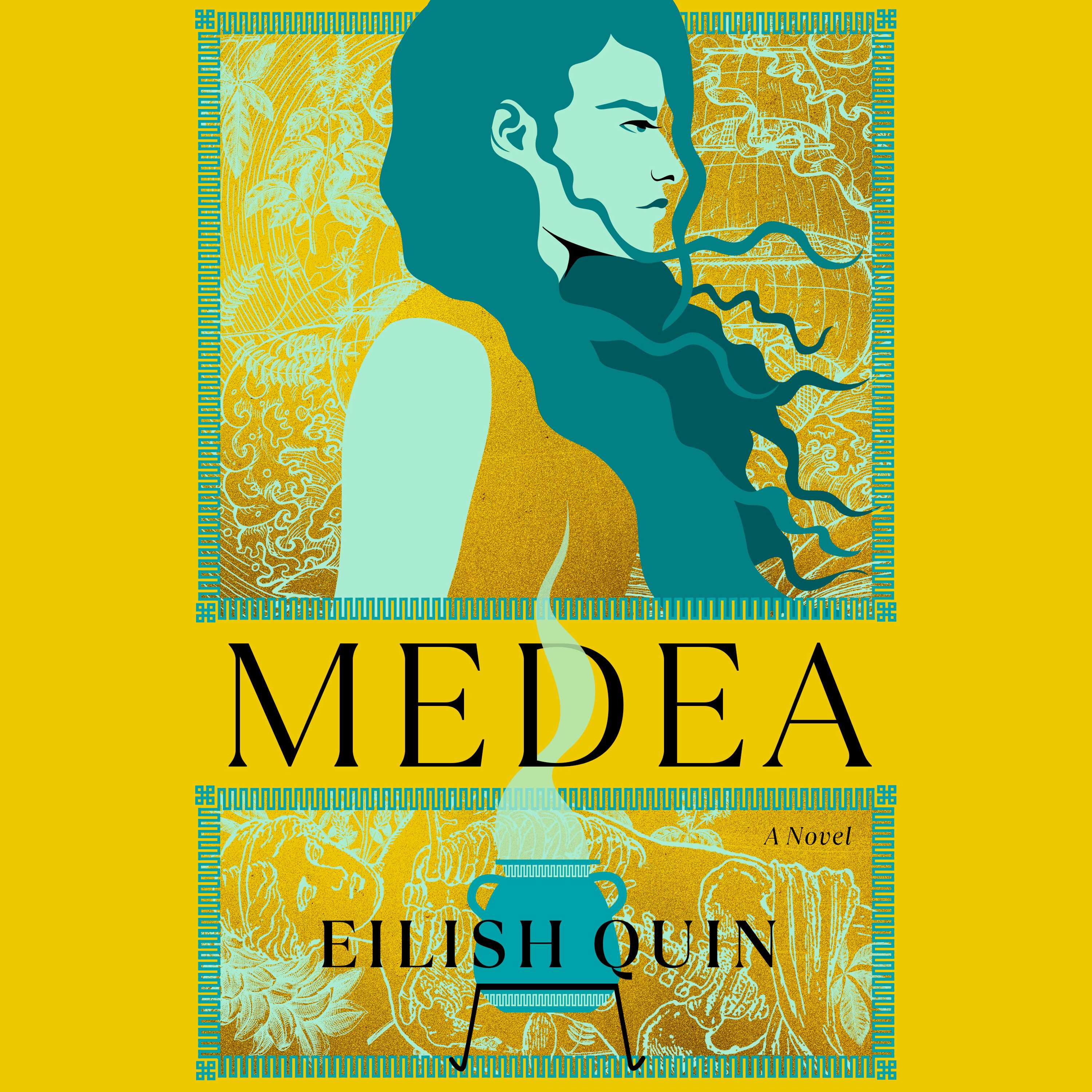
Influencer Medea
In Eilish Quin’s retelling, Medea is not the hero that drives up and delivers a big serving of consequences. She is more like Influencer Medea - she even has a brother with tech skills. She really means well, and when the big staged YouTube prank blows up in her face she is like: ‘Oops sorry!’
I can see the dilemma of the author. How do you make a sympathetic main character out of a woman who betrays her family for a new crush, dismembers her brother and tosses him off the escape boat like shark chum. Then kills her children, when her husband leaves her for a younger hotter 2.0 wife with a rich king dad?
The answer is you don’t.
Medea is not a sympathetic character. Medea is the anger that holds people responsible for their actions.
Eilish Quin’s Influencer Medea is a modern character. She has good intentions, but plans do not go as - well - planned. But when you remove the strength and tragedy of Medea, she just becomes a mentally ill and self-serving villain.
It’s not a tragedy when your cunning plan goes off the rails if your plan is ‘I will kill my children, dismember them, then put them back together and resurrect them.’ That's a bold strategy. It does not pay off.
In trying to make Medea a sympathetic hero, she becomes unlikable. Weak. A villain. Influencer Medea. All the right opinions, none of the right actions.
She is always reacting to ‘bad’ men. Wanting everything in both the bag and sack. Wanting her children dead for revenge - and alive for herself. There is much hand wringing, internal Me Me Me Medea dialoguing, self-serving rationalisations and a litany of whining and 'Oh, poor me!'
Influencer Medea is manipulative and always on the lookout for somebody whose crimes are worse. She gets King Pelias’ daughters to kill their own father. When Jason kills one of the daughters, the whole focus shifts to that. Because obviously that is worse.
Influencer Medea is always running away from the consequences of her own actions. And the reader should give her likes for this?
OG Medea
Myth Medea, on the other hand, is a powerful woman who stands up to the patriarchy in the most uncompromising way. She takes matters into her own hands. Has agency. Criticises and destroys the whole 'male hero' narrative.
Myth Medea has nuances and is a surprisingly complex female character, both villain and hero.
In Quin’s retelling, all the kick is taken out of Medea in an attempt to make her a likable character you can understand. But the kick is also taken out of the ancient world. There is a lack of world-building in this retelling.
The reader gets little understanding of ancient Mediterranean societies where you only count if you are a man, a citizen and own property. A woman’s standing depended on who she is daughter of, married to and has children with.
So when Jason abandons Medea, he strips her of everything and leaves her and their children as immigrants in a foreign country - a decidedly risky fate.
But…this is not 'Nam…there are rules.’ And the gods cancel oath-breakers. Without the same legal and enforcement systems we have today, keeping your word - and your honour - is especially important in early societies.
Medea is manipulated by the gods to love and help Jason steal the golden fleece - so she has no real choice here. But she keeps her commitment, stays with Jason, and raises their children. But then Jason breaks his word.
Looking at the story with modern eyes, we see the horror of a mother killing her own children. But infanticide and killing of children did not have the same meaning in the ancient world as it does for us in modern Western society.
Myth Medea kills their - not uncoincidentally male - children and the bride in order to end Jason's line. It is the ultimate ‘speaking violence to power.’ She kills Jasons future and legacy. She is also saving the children from a 'fate worse than death' - losing their social position, potentially becoming slaves.
She rebels and by her outrageous act shines a stark light on Jason’s behaviour. The gods don't punish Medea, they help her escape because she is seen as justified. Jason’s transgression is worse than anything Medea does.
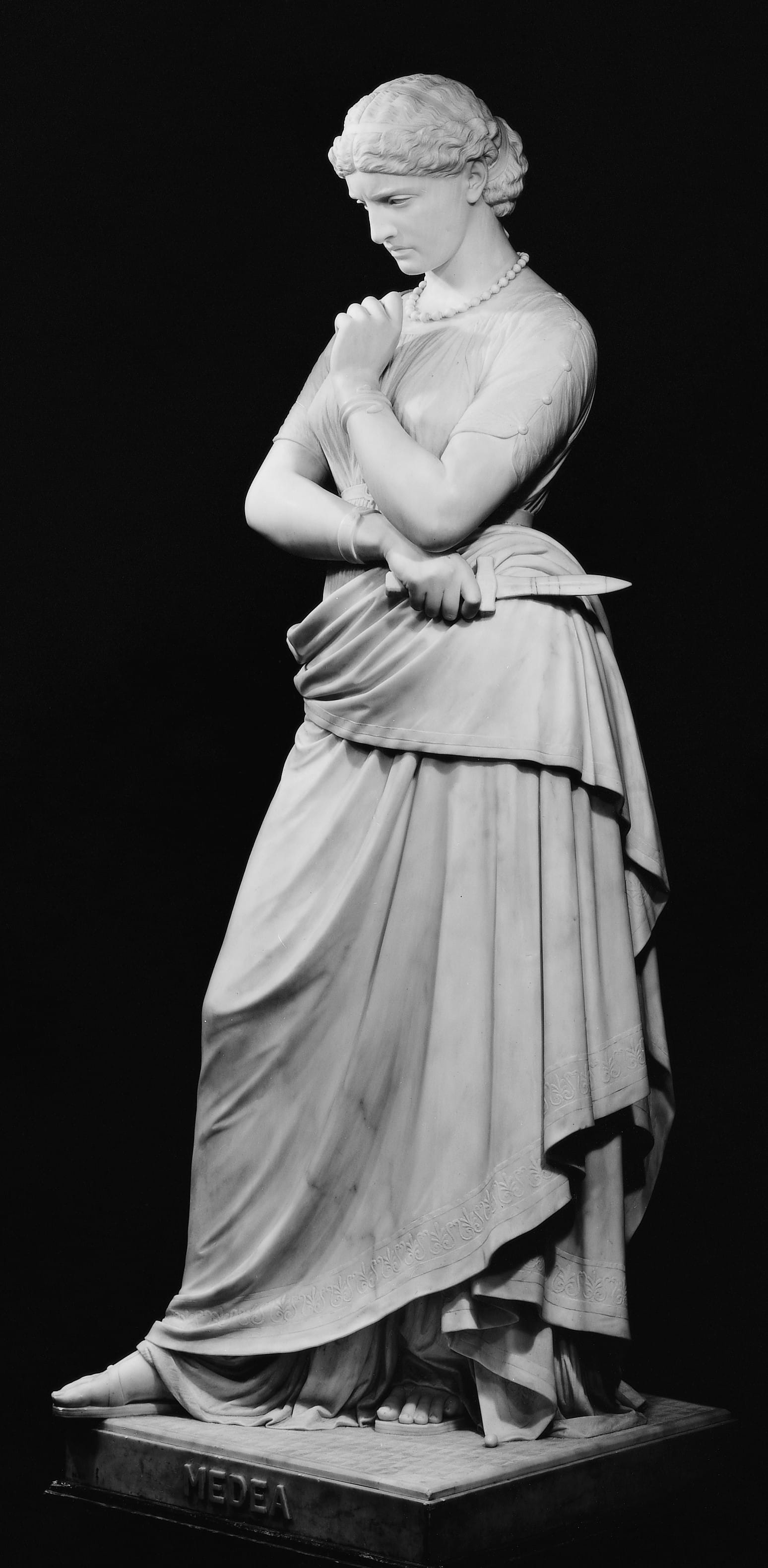
They're Justified, and they're Ancient
Is Medea's wrath justified? Yes, she is cast aside by her husband - who swore an oath to her. The indignation is real.
Are her actions proportional? In today's world no, but in an ancient world, yes. She does to Jason what he did to her.
The myth of Medea is a cautionary tale. Medea burns down her own house to show that actions have consequences. You can only push people who are disadvantaged and vulnerable so far before they push back - with a vengeance.
PS
There is a ‘star-eating’ postscript to the book. The author calls her book 'manuscript' - as in ‘Behold my manuscript’ Lion King style, and that is all I am saying about that. But read/listen to this first. Then decide if you want to proceed with the story.
PPS
The author makes a big deal out of magic in the book - and in postscript. But magic is not the point. Myths are full of abracadabra, everybody is a third cousin to some god - and monsters are around every corner. This is the special effects of the stories - not the message.
PPPS
Apologies for the harsh language - I know, we are werewolves not swearwolves.
MEOW?
Added Circe by Madeline Miller to my 'to re-read' list. Remember it as good - am I correct?